Holistic Meaning: Caring for the Whole Person
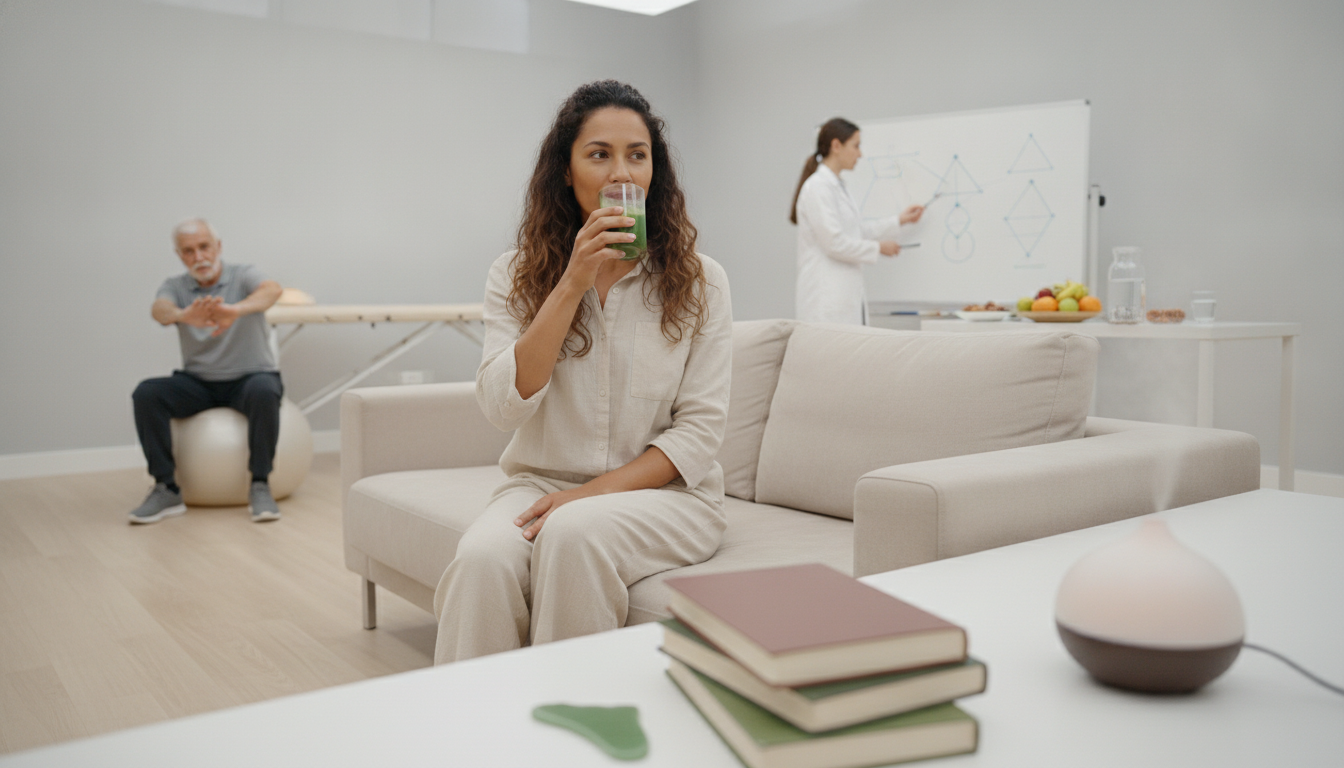
Does holistic mean whole person?
Yes—“holistic” commonly means considering the whole person rather than isolating one symptom, organ, or problem. In health and wellness contexts, it points to an approach that looks at how physical health, mental and emotional well-being, lifestyle habits, environment, relationships, and even values can interact and shape overall outcomes.
What “whole person” means in a holistic approach
When someone uses “holistic” to describe care or support, “whole person” usually includes:
- Body: nutrition, movement, sleep, medical history, pain, and physical function
- Mind: stress levels, coping skills, focus, and mental health patterns
- Emotions: mood, resilience, emotional triggers, and social support
- Lifestyle and environment: work demands, routines, home environment, and exposure to stressors
The goal is not to ignore targeted treatment, but to place it in context. For example, addressing digestion may also involve examining sleep quality, daily stress, hydration, and eating patterns—not only a single supplement or quick fix.
Does holistic always mean “alternative”?
No. Holistic is a perspective, not a specific category of medicine. Some holistic plans are fully conventional (such as combining a physician’s treatment with sleep optimization and nutrition changes). Others may incorporate complementary practices like mindfulness, massage, yoga, or acupuncture. The defining feature is the whole-person lens, not whether the tools are “traditional” or “natural.”
How holistic thinking shows up in everyday wellness
In practical terms, a holistic approach often means setting realistic routines and identifying root contributors. Someone with low energy, for instance, might look at iron levels and thyroid health, but also at sleep debt, meal timing, stress load, and burnout.
For a deeper breakdown of what “holistic” means and how it’s used across wellness and care, visit the main article here.
For Holistic Meaning: Caring for the Whole Person, the best answer depends on fit, material, care instructions, and how the product will be used day to day.
FAQ
What is the difference between holistic and integrative?
Holistic describes focusing on the whole person, while integrative typically refers to deliberately combining conventional care with evidence-informed complementary approaches. Many integrative models are also holistic, but the terms aren’t identical.












Leave a comment